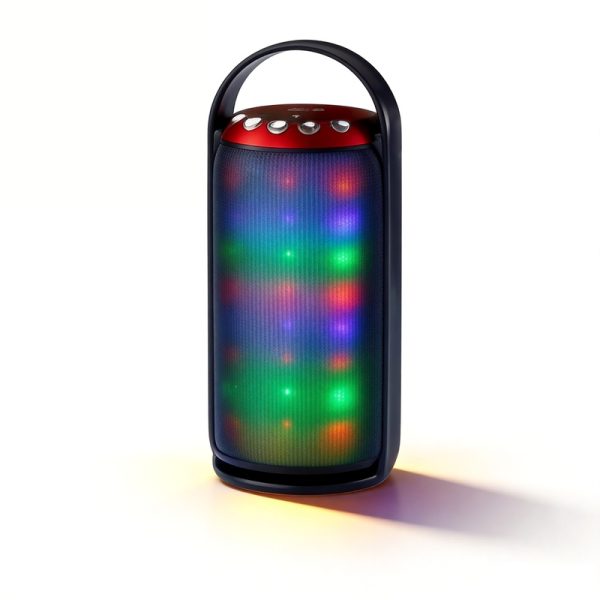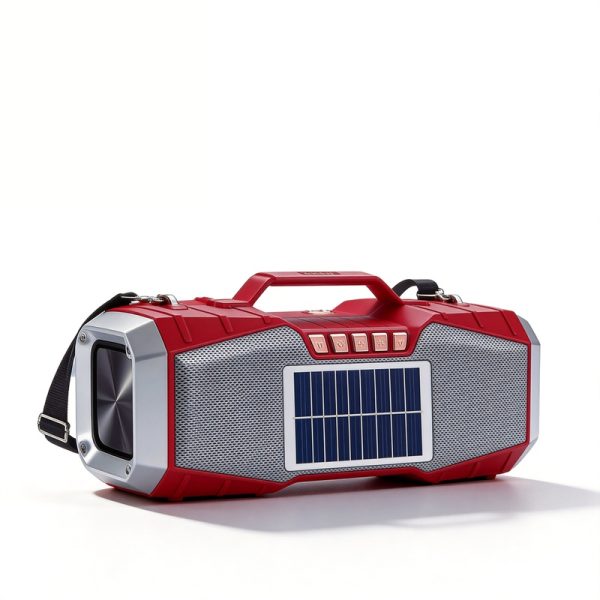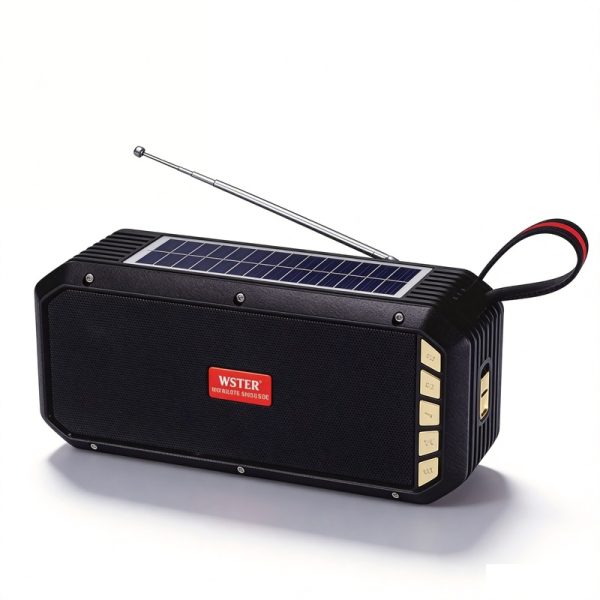
An OEM project starts with a product that fits the range you want to build. Once the format and essential functions are clear, branding and packaging requests can be discussed against a real reference. That gives a brand team or distributor a more useful starting point than a general request for a custom speaker.
Choose a starting product with a clear role
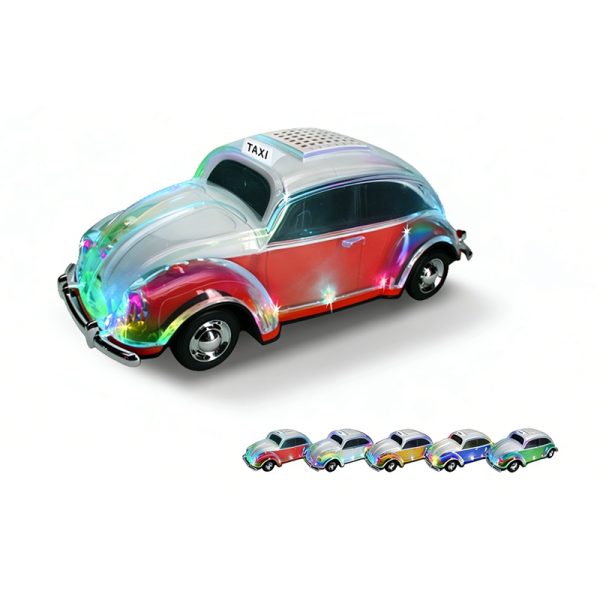
For a car-model range, WS-1937BT brings a distinctive shape together with Bluetooth, USB, TF, FM and a digital display. A project brief can focus on how that complete product will be presented, while keeping the required audio sources explicit.
WS-5390 combines those four playback sources with solar charging, a flashlight and TWS. This opens a different set of questions about the functions your customers will use and the information needed to explain them.
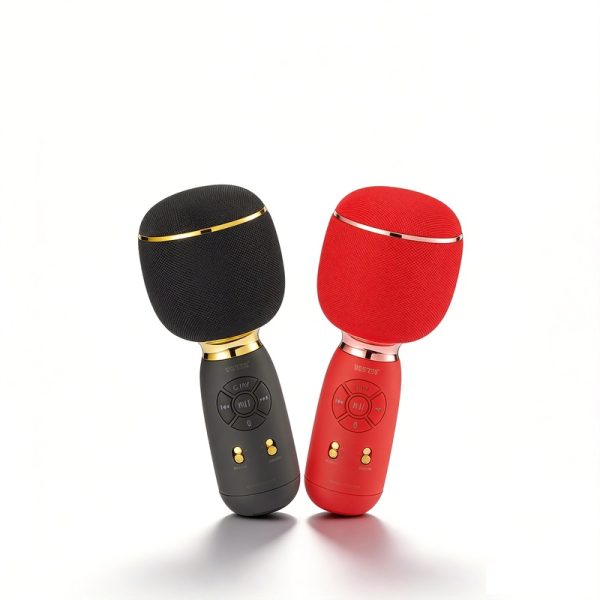
For a singing-led assortment, WS-1885 offers a karaoke microphone reference with listed TWS interconnect. Handling, singing controls and the intended pairing setup may then matter more to the product discussion than the styling considerations of a car-model speaker.
These models illustrate different directions, not a ranking. Choose the reference whose role matches your channel, then define the requirements that still need confirmation.
Separate the standard product from the requested changes
Keep the chosen model’s existing specification on one side of the brief and the proposed changes on the other. A logo position, a box layout, a color request or a different feature configuration is something to review for the selected project. It should not be treated as available on every model before that review.
- Brand presentation: logo files, intended placement, color references and relevant guidelines.
- Packaging: sales channel, language requirements, proposed printed information and box presentation.
- Product requirements: essential audio sources, control preferences and the intended user.
- Project context: quantities by model, destination market and the next decision your team needs to make.
Use the sample discussion to resolve decisions
When reviewing a reference product, note which observations concern the standard model and which concern a requested change. A control-layout question, for example, is different from a packaging-artwork question. Keeping them separate makes the conversation easier to follow and helps your team maintain one coherent specification.
The OEM project brief provides a way to gather those details. Include open questions as well as decisions already made; a clear request can still be useful before all artwork or presentation choices are final.
Bring the brief to WSTER
Send the model references, quantities and proposed changes together. When your team knows what it wants to resolve next, contact WSTER to discuss feasibility, sampling arrangements and commercial terms for the actual project. Keep subsequent changes with the agreed brief so the product and presentation details remain aligned.
Buyer questions
Can I put my own brand on every listed model?
Discuss the intended model and branding details with WSTER. The available scope depends on the selected product and project and needs confirmation.
What is useful before requesting an OEM quotation?
Provide model numbers, quantities by model, destination market, essential functions and the branding or packaging changes under consideration. Identify anything still undecided.