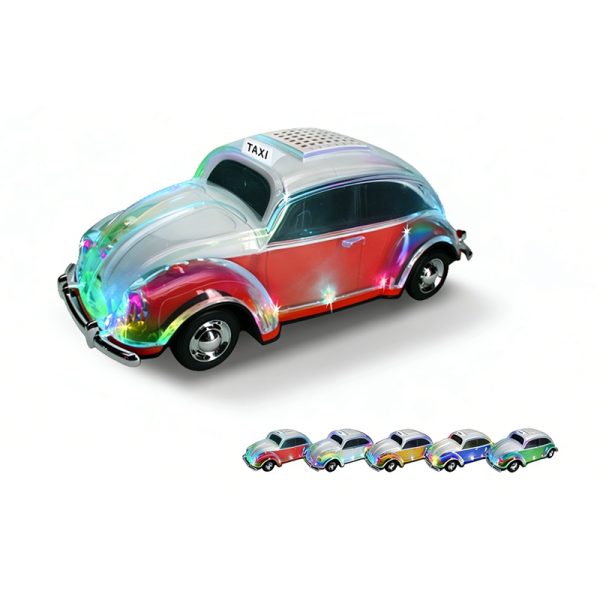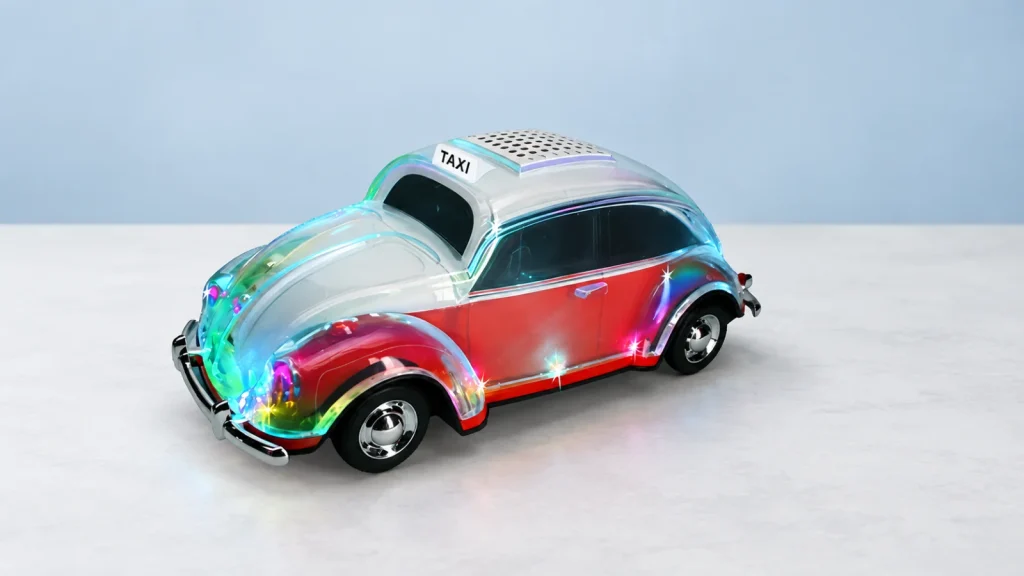
An OEM discussion moves forward more easily when the selected product and the requested changes can be read together. Start with an existing WSTER model, describe where it fits in your range, and make the decisions still open visible to everyone involved.
Build the brief around one reference model
Use the model number and product link as the starting point. If you are comparing alternatives, explain why each remains under consideration. This keeps a change requested for one product from becoming an assumed requirement for the whole range.
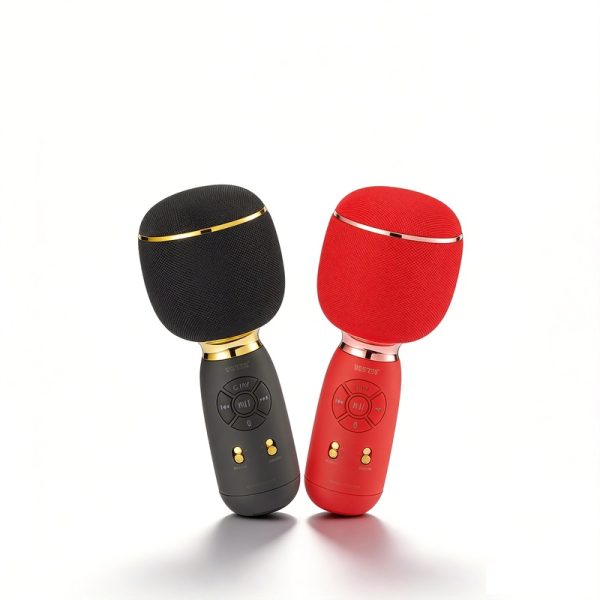
A brief based on WS-1937BT might focus on the retail presentation of a car-model speaker while retaining its listed Bluetooth, USB, TF and FM playback. A brief for WS-1885 might concentrate on the karaoke interaction and the instructions needed for the selected functions. These are examples of how to describe a request, not confirmation that a particular customization is available.
Bring six pieces of information together
- Model reference: the chosen model, product link and any alternatives.
- Use and channel: who the product is for and how it will be presented or sold.
- Essential functions: the playback sources, controls or other features the range requires.
- Branding: logo artwork, intended placement, color references and existing guidelines.
- Packaging: language, proposed printed information, artwork status and intended box presentation.
- Project context: quantities by model, destination market and the next decision you need to make.
You do not need to pretend that every answer is final. Mark a missing artwork file or an undecided packaging detail as open. A visible question gives the team something concrete to resolve.
If your destination market or sales channel requires particular documents, name the requirement and the model it concerns. Ask WSTER what supporting material is available for that configuration rather than assuming one document covers the entire range.
Write requests so they can be reviewed
Separate “retain the listed playback functions” from “request a different box layout.” The first describes the product you are using as a reference; the second is a proposed change for feasibility review. Apply the same distinction to colors, controls, printed information or other changes you want to discuss.
When a requirement matters more than a particular implementation, explain the reason. For example, you might need product information in a specified language or a clear explanation of the selected controls. WSTER can discuss the feasible scope for the actual model without treating an early idea as an approved specification.
Keep the confirmed version together
After a discussion or sample review, update one brief with the agreed model, artwork version, packaging scope and product requirements. Identify changes clearly and leave unresolved points visible. This helps your buyer, designer and sales contact work from the same record.
Confirm sampling arrangements, order conditions and timing for the project separately. Sending a brief starts a discussion; it does not place or approve an OEM order.
Buyer questions
Can I start before the packaging artwork is finished?
Yes, you can describe the intended presentation and identify what is still undecided. Final artwork and production details require their own confirmation.
How should I include alternative models?
Give each alternative its own model reference and state the difference you are evaluating. Keep its specification separate from the preferred model.