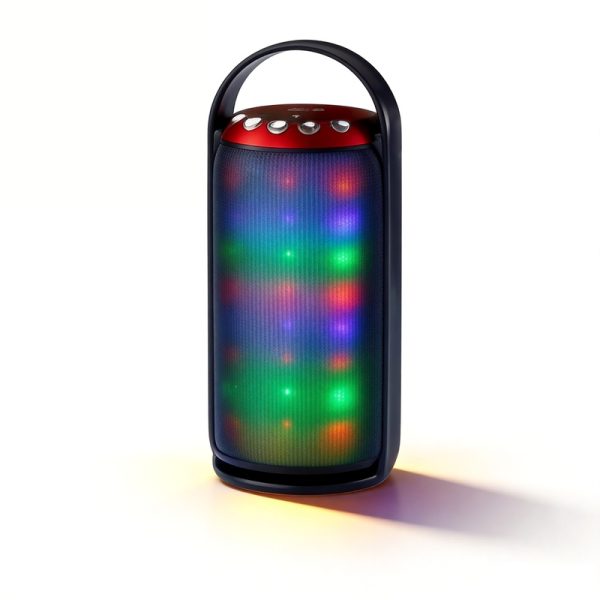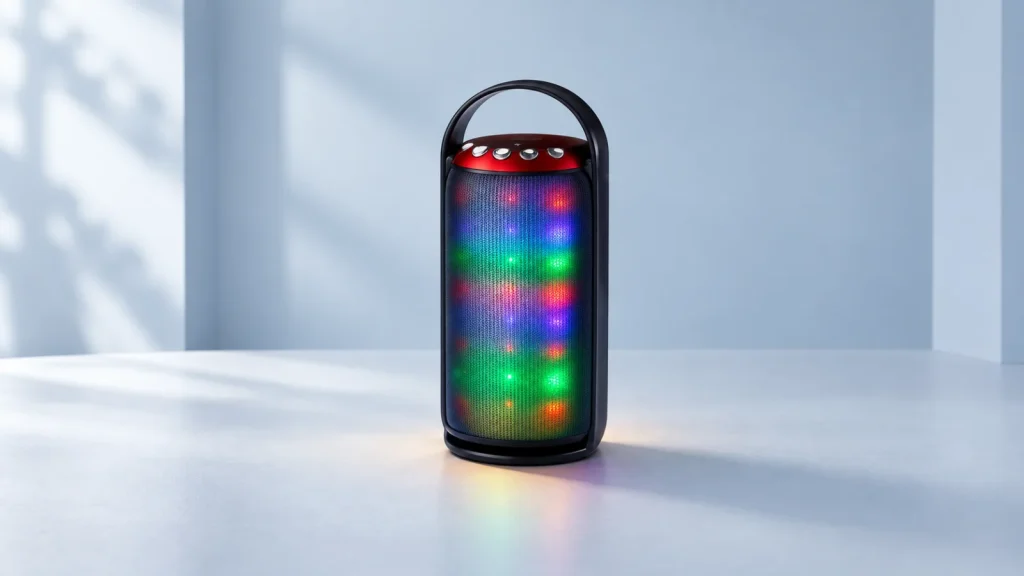
A wholesale range becomes easier to plan when each product has a reason to be there. One model may fill a compact audio position, another may offer a distinctive car-shaped design, and a third may support a singing-led assortment. Start with those roles before comparing a long list of specifications.
Give each product a place in the range
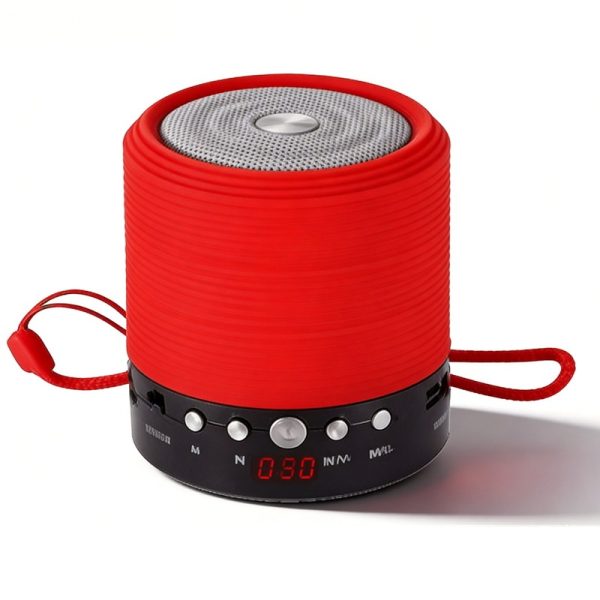
For a compact format, WS-632 provides a mini portable speaker reference with an LED display, FM and USB/TF playback. Compare its handling and control layout against the presentation you have in mind. Exact display or packaging measurements should come from the selected specification, not from the scale of a photograph.
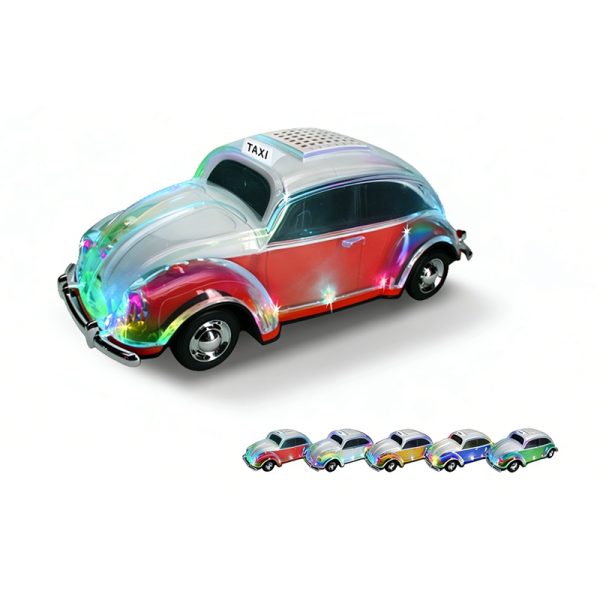
For a vehicle-inspired product, WS-1937BT combines a vintage car-model form with Bluetooth, USB, TF, FM and a digital display. The appearance and the playback features are two parts of the same buying decision: your retail description needs to explain both.
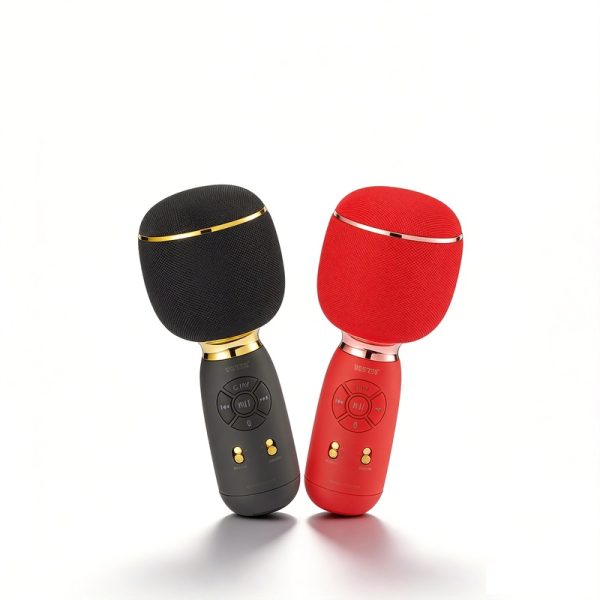
A general music range may start with the Bluetooth digital speaker category, while a singing-led range calls for a separate look at karaoke microphone products. Keeping these roles distinct helps you see whether two candidates offer a meaningful choice or simply repeat the same position in your assortment.
Decide which audio sources are essential
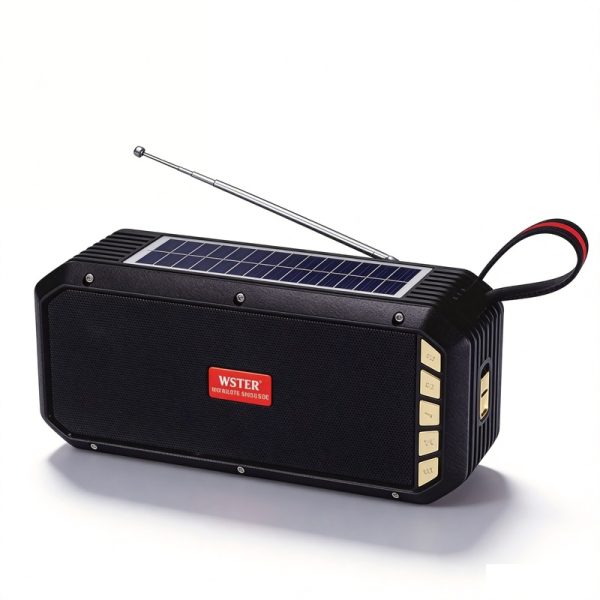
Write a short list of the sources your buyers need. Bluetooth, USB storage, TF card playback and FM provide different ways to access audio. WS-5390 lists all four, together with solar charging, a flashlight and TWS. That combination makes it a reference for several requirements, but each extra function should earn its place in your brief.
If removable media or FM is central to the range, use the multi-source speaker guide to prepare the operating questions. A buyer who needs simple phone playback may prioritize control access differently from one planning to demonstrate files from a USB drive.
Compare the details that change the decision
Keep the model number and the original specification label beside every value. Driver specifications and product output are different labels; battery capacity alone does not tell you how long a sample will play under your intended conditions. Ask for clarification where a value or unit is unclear.
The model comparison tool keeps available information together. Use it to record why a model remains on the shortlist: a particular product shape, a required source, a display or a listed pairing function. There is no need to turn every field into a contest for the largest number.
Move from a shortlist to a purchasing conversation
When two models remain suitable, explain the decision you still need to make. You may want to compare controls on samples, clarify how a display behaves or discuss a proposed box presentation. That is a more useful request than asking for a general catalog recommendation.
- List the model choices and planned quantity for each.
- Describe the destination market and sales channel.
- Separate essential functions from optional preferences.
- Add branding or packaging requests and the questions that need an answer.
Say whether you want the catalog model as listed or are requesting changes. Keep logo, packaging and function requests separate from the standard product reference so the discussion can focus on the right scope.
WSTER can then discuss the selected products and project requirements with you. Confirm pricing, order conditions and any customization arrangements for the actual request.
Buyer questions
Should power or battery capacity be my first filter?
Start with the product role and essential functions. Then compare clearly labelled specifications and sample observations that matter to that role.
Is the listed packing quantity the minimum order?
No. Packing information describes a packing reference. Order quantities and commercial conditions need separate confirmation for your project.