A light can be the reason a buyer notices a speaker, but different lighting features lead to different product choices. A dedicated flashlight, a night light and a decorative lamp each deserve their own place in the brief. Start with what the light should do for your assortment, then look at the audio functions around it.
Three lighting directions to compare
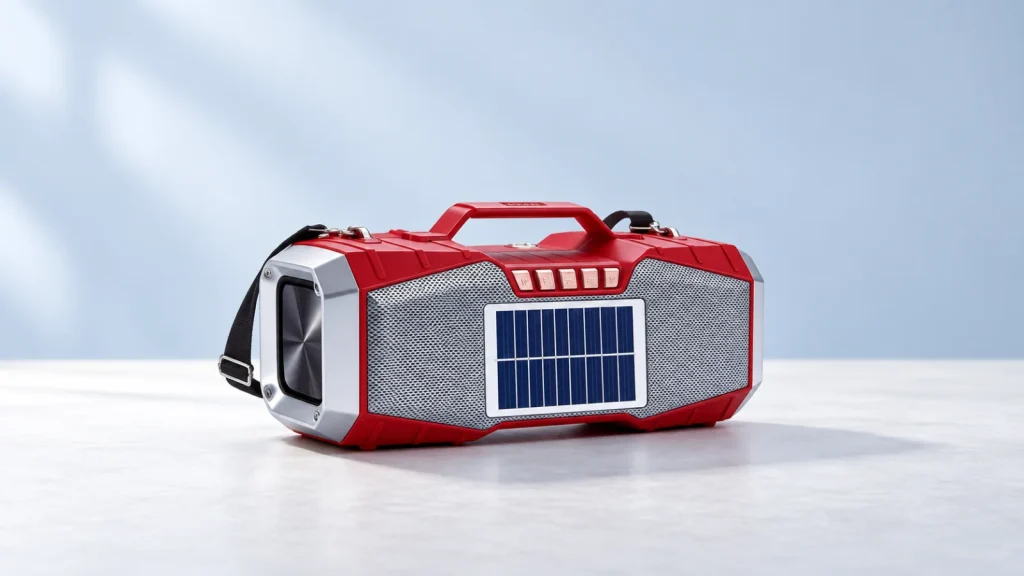
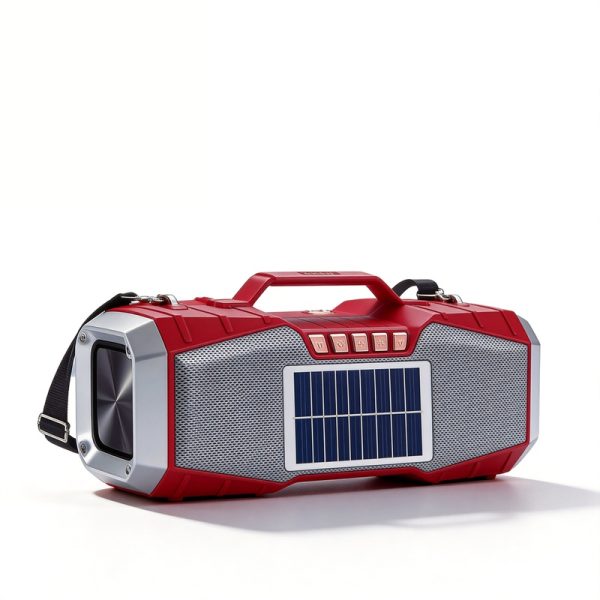
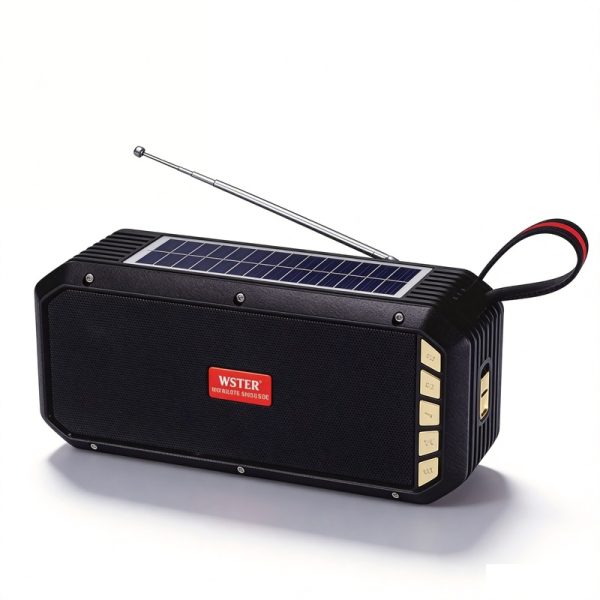
For a solar speaker with a flashlight, WS-1857 and WS-5390 are two catalog references. Both list Bluetooth, USB, TF and FM alongside their solar and flashlight functions. WS-5390 also lists TWS interconnection, giving you a separate pairing question to consider if that matters to the range.
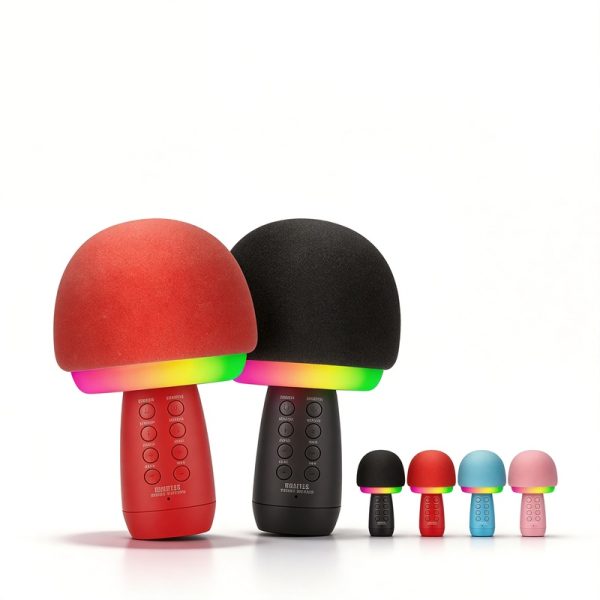
For a karaoke product with ambient and decorative lighting, WS-910 lists a night light and three-gear RGB motion lights. Here the buying discussion can include how the singing controls and lighting modes work together. Those are different observations from checking a flashlight-equipped speaker.
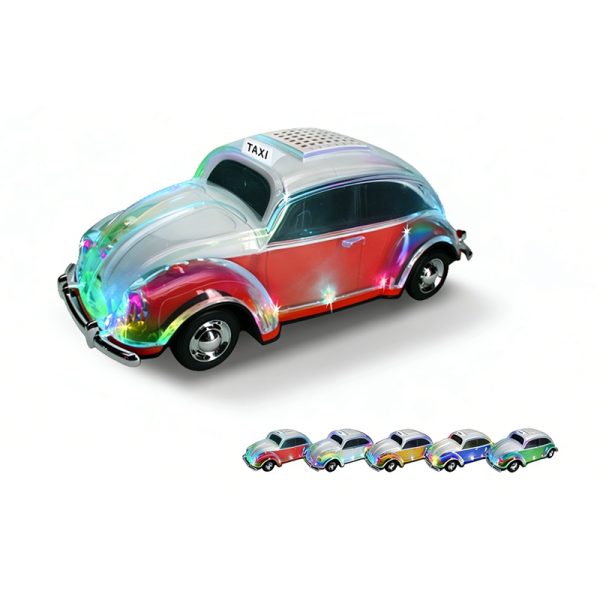
WS-1937BT takes another direction: a car-model design identified with a lamp. Its listed audio features include several playback sources and a digital display. Review the role of the lamp within the complete product rather than choosing only from the vehicle shape.
Plan a demonstration around the intended use
Give the person reviewing the sample a short task. For a flashlight model, ask them to find the light control and explain its operation. For an RGB product, ask them to move through the available settings. For a decorative design, look at how the light contributes to the presentation and whether the controls are easy to locate.
Keep the audio source in the record as well. A buyer may want to understand what happens when music starts, the source changes or a different light mode is selected. These are questions to demonstrate on the chosen model, not functions to infer from a photograph.
Carry the useful details into your packaging brief
Separate the feature name from any performance requirement. “Flashlight” identifies a function; it does not provide a brightness measurement or operating time. If those figures affect your product positioning, ask WSTER for the relevant information before adding them to packaging or a retail listing.
A clear brief can state the chosen model, the lighting role, the audio sources required and the instructions your customers will need. This keeps the discussion focused even when two products look equally suitable in catalog photographs.
Buyer questions
Are a night light and a flashlight interchangeable?
Treat them as different requirements. Review how the selected product operates and choose the function that matches your intended presentation and use.
Can a lighting feature support an emergency-equipment claim?
Use performance or safety-equipment claims only when the selected product has appropriate supporting evidence. The catalog function names alone do not establish those results.